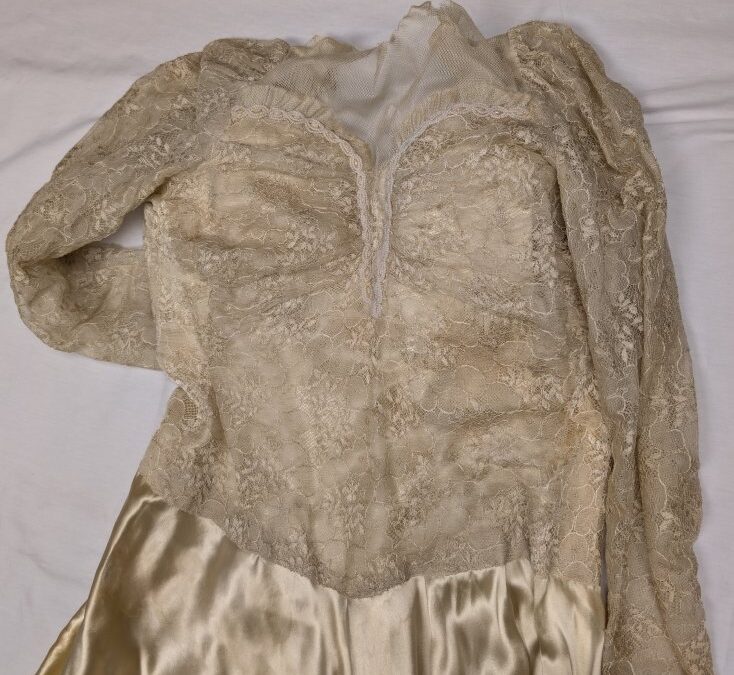
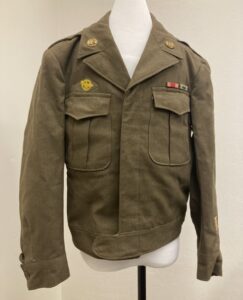
Think moth balls will do the trick in preserving your wedding gown or your father’s military uniform, for posterity? Think again, says Stephanie Lee, Curator of the collection at the Arlington Heights Historical Museum.
In a first time effort, Lee will conduct a course in teaching patrons how to preserve historic textiles the way staff members do at the museum. The program, Why Keep That: Preserving Family Textiles, takes place from 10 – 11 a.m. Thursday, May 7. Sign up, here.
“In the past, we’ve offered programs about how to preserve historic family photos, but this time I decided to focus on textiles,” Lee says.
She figures that if cherished garments, such as a wedding dress or military uniform, are tucked away, it’s because these garments tell a family story. Consequently, Lee will present a hands-on look at how to preserve historic clothing and protect their legacy.
And, as it turns out, wedding dresses and military uniforms are two types of objects frequently offered as donations to the museum. However, because of the museum’s mission, scope of collections and storage constraints museum officials are not able to accept most of these offers.
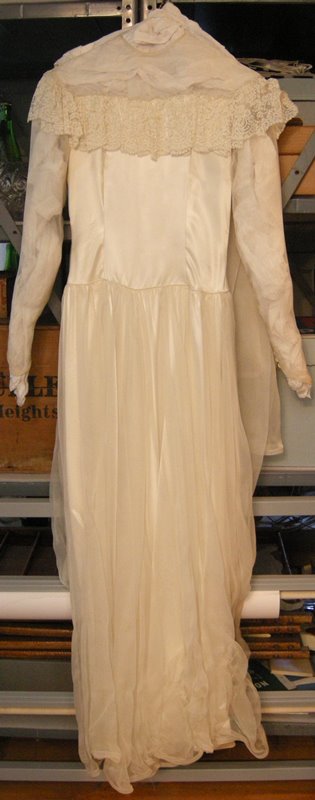
“However, I can teach people how to store their family heirlooms to achieve a similar level of preservation to what we have here at the museum,” Lee adds.
The one-hour program will feature a demonstration of packing a garment for preservation, as well as some of the dos and don’ts — including don’t preserve textiles in a cedar chest or in moth balls, but do use archival safe materials and document the garment’s significance. Lee will leave plenty of room for questions, as well.
This unique program ties in with the museum’s newest exhibit, Why Keep That?, which opened May 1. It takes patrons behind the scenes to see how even ordinary items can tell powerful stories about the past.
“Follow the journey an object takes from donation to preservation and explore unexpected pieces from our collection — like a simple train ticket or a well-used waffle iron,” Lee says. ” Guests will learn how everyday objects help preserve the lives, memories and moments that shape our history.”
Other News: