Dear SuburbTalk readers: This is the latest in a series of stories written by Jon Gardner, Assistant Curator of the Arlington Heights Historical Museum. Each month, he previews a new display at the museum. In October, the featured exhibit depicts three locally elected officials — who were not career politicians but felt strongly enough to act.
On Nov. 3, many of us will head to the polls to vote for governor, U.S. senator, representatives in Congress and the state legislature, and a host of county officials. Some of us are already receiving mail-in ballots. Who are the people running, and what are their stories?
This month, our Gift Shop Case features three Arlington Heights residents who ran for office. It might surprise you to learn that they weren’t so different from you and me.
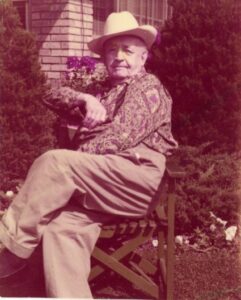
Albert Volz (photos courtesy of the Arlington Heights Historical Museum)
Albert Volz
Many in Arlington Heights know Albert Volz as “Mr. Arlington Heights.” Born in 1871, Volz ran a manufacturing business, but he also devoted much of his life to public service. He served as a village trustee (1899–1905) and mayor (1907–11). He helped found the Fire Department in 1894 and became a charter Park District commissioner in 1925. From 1919 to 1923, Volz represented Arlington Heights in the Illinois House of Representatives, where he voted to ratify the 19th Amendment on June 10, 1919.
Volz also led the Northwest Township Republican Organization, serving as the first Wheeling Township Republican committeeman and, in 1956, became the first president of the Arlington Heights Historical Society. He died in 1971, shortly after his 100th birthday, leaving a legacy of service that helped shape Arlington Heights.
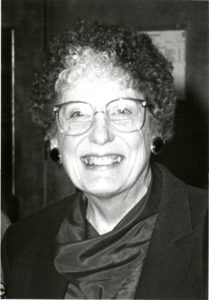
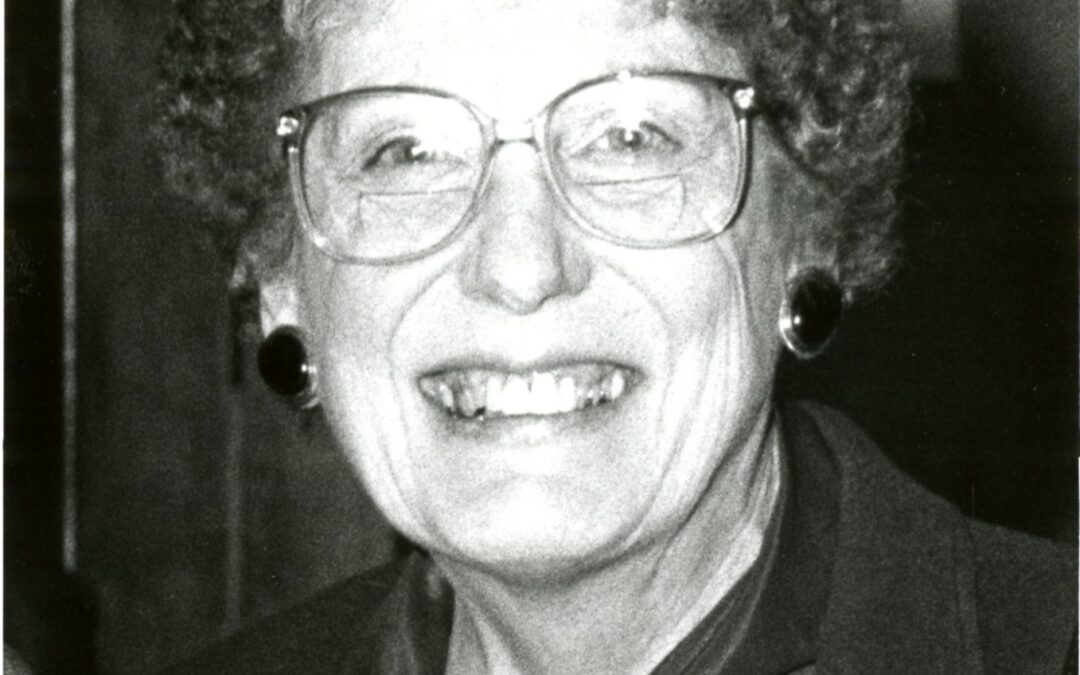
Eugenia Chapman
Eugenia S. Chapman
Born in 1923, Eugenia Chapman spent much of her early career teaching. She believed teachers should have a voice in government and became involved in politics. Shortly after moving to Arlington Heights, she helped found the local chapter of the League of Women Voters in 1952 and served as its first president. She served on the Northwest Suburban High School District 214 board from 1961 to 1964.
In 1964, Chapman ran for the Illinois House of Representatives and won. She spent the next 18 years representing the area in Springfield. She sponsored legislation to create the Illinois community college system, championed ratification of the Equal Rights Amendment and tangled with Mayor Richard J. Daley. After leaving the legislature in 1983, Chapman remained active as a Wheeling Township Democratic committeewoman and a 10th District representative to the Illinois Democratic Central Committee until her death in 1994.
Phil Crusius
During Chapman’s final term in the legislature, software engineer Phil Crusius moved to Arlington Heights. When casinos pushed for greater access in Illinois, he grew concerned and formed Concerned Citizens for Self-Determination. The group campaigned against proposals such as a 1995 referendum to put a casino at the racetrack. Crusius also sued casinos and ran for village trustee in 1999.
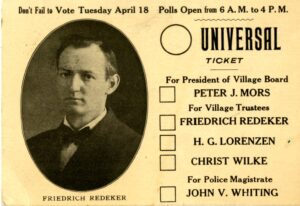
A municipal ballot, circa 1909
Although he lost many of those battles, Crusius remained dedicated to serving the community. Elected to the Arlington Heights Elementary School District 25 school board in 2009, he served until his death in 2014.
Why Not You?
These three did not begin as career politicians. They were a business owner, a teacher and an engineer who decided to act on their convictions.
What issue matters enough to move you to act? Look through this year’s ballot and consider the offices that serve your community. You don’t have to be governor to make a difference. Perhaps you’ll find yourself asking, as Al, Eugenia and Phil did, “Why not me?”
Other News: